I stayed awake for a majority of the 6 hour overnight flight from Baltimore, Maryland to Pituffik Space Base, anxious for the moment I would get to see the Arctic and Greenland Ice Sheet for the first time. Around 4 hours in, the moment came and we were greeted with ice filled-fjords and fractured sea ice out the window. However, one of the coolest things on that flight was seeing the sun rise at 06:42, only to for it to not fully clear the horizon before setting again as we continued north. The sun would not rise in Pituffik until 08:48 that morning.

The base is exactly how I would imagine an Arctic research station would look, full of old metal buildings with small windows and thick doors. The base is surrounded by mountains to the north and south, the ocean to the west, and the edge of the Greenland Ice Sheet to the east. Arctic foxes can be seen all over, and although they are extremely cute, they are also full of mischief (for us this means chewing on our sleds and snow mobiles).

The Arctic gave us a ‘warm’ welcome our first night by putting on a beautiful show with the Aurora Borealis! We thought we might be a little too far north to see them, but nonetheless they were quite bright and directly overhead.


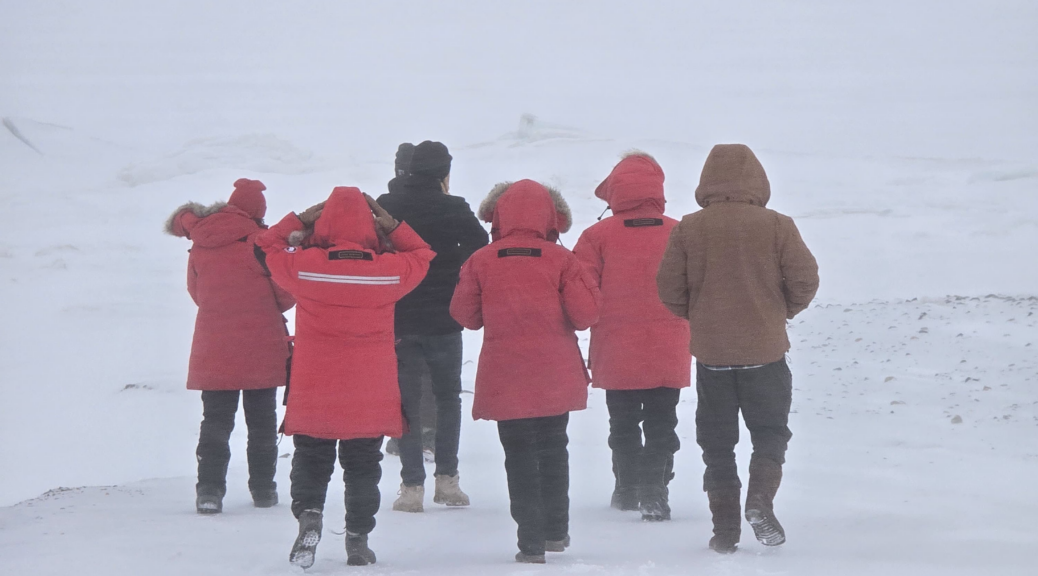
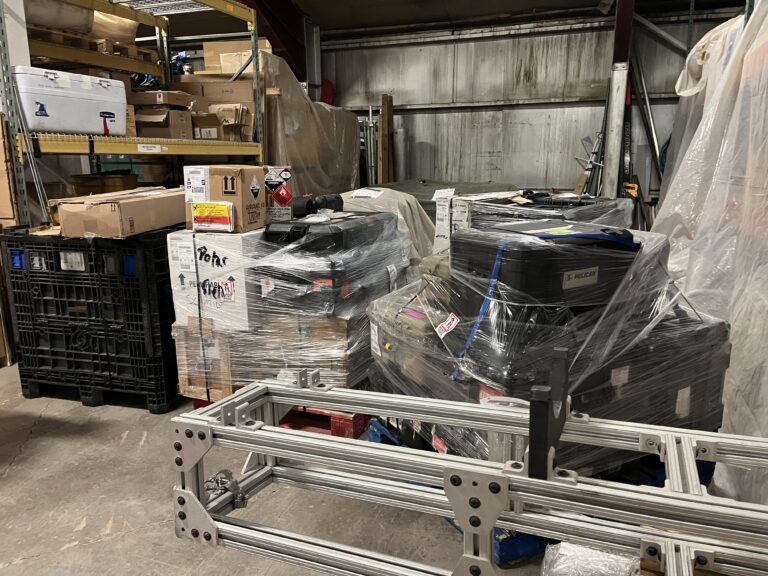
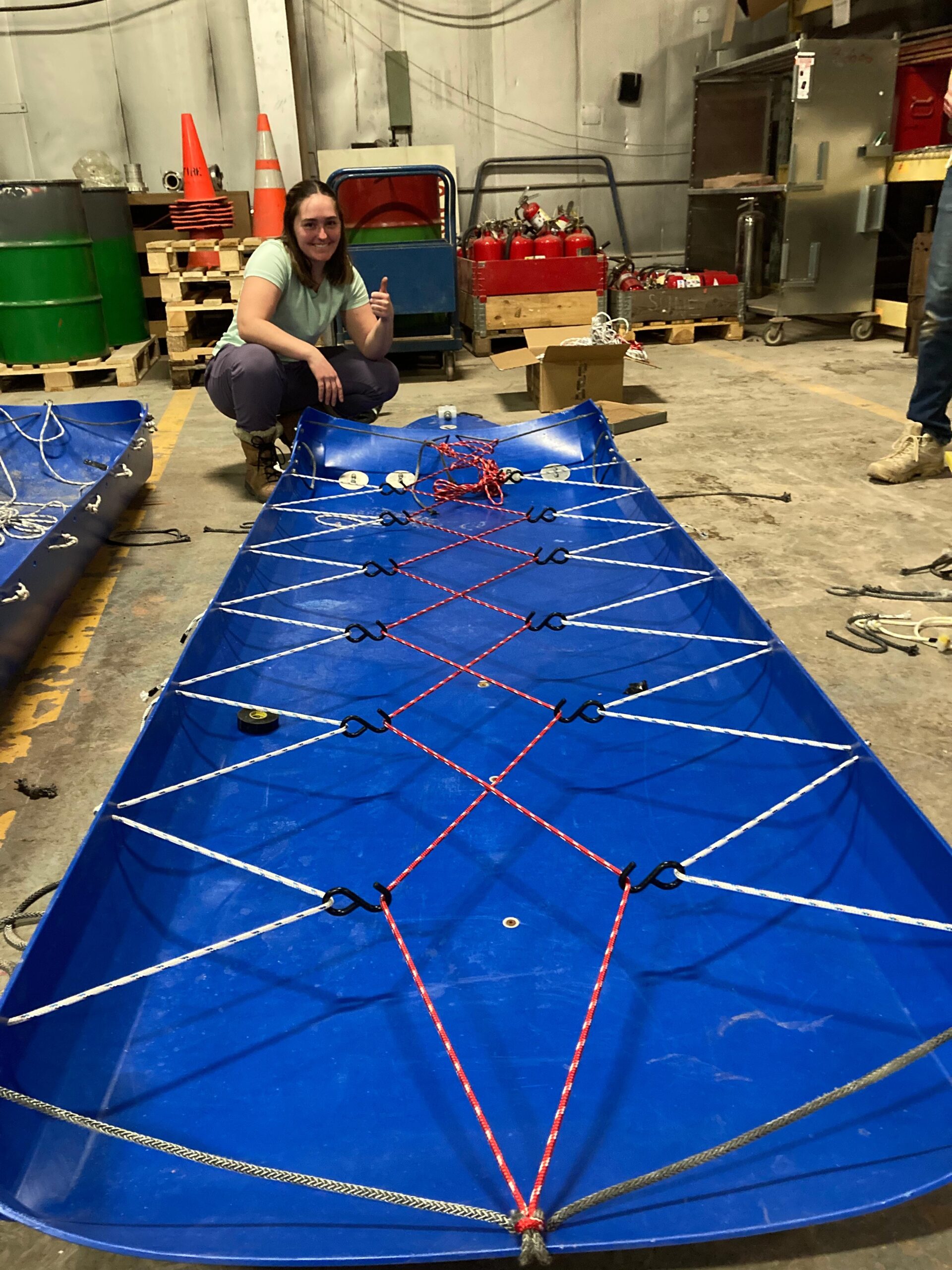
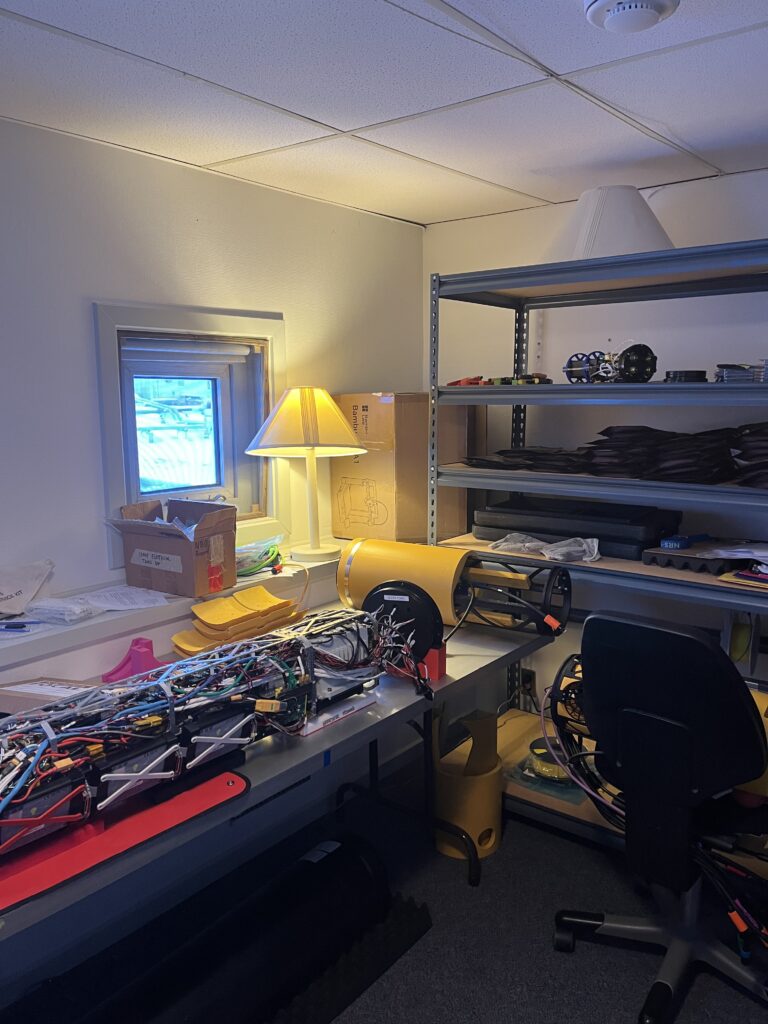
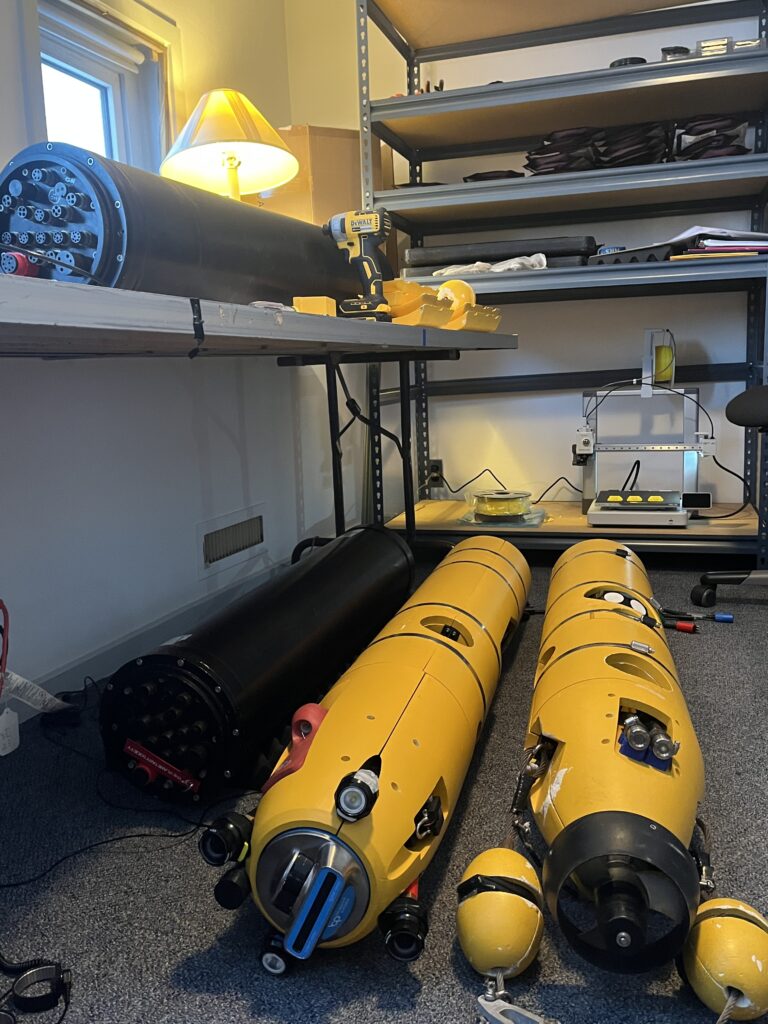
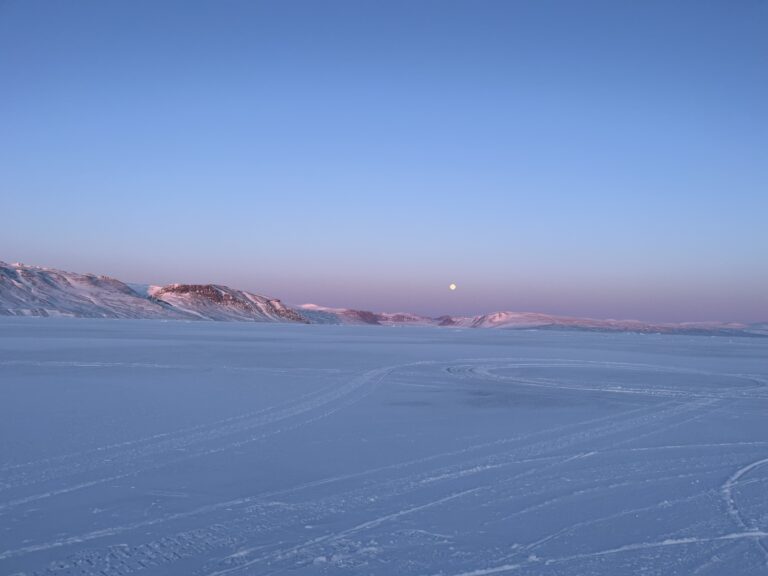
Our first several days were largely made up of unpacking and setting things up, although we did have a couple hours to take a field trip up the North Mountains, and this was where we saw Wolstenholme Fjord for the first time. The views were incredible, especially since the sun was starting to go down. After 5 days of prep, we were nearly ready to go and spent the morning doing sea ice training. I was fascinated by how dynamic the ice was and all the different cracks and features. I learned how to measure ice thickness (it was exactly 1 meter where we were), how to drill V-threads (which we use to anchor tents and other things around camp), and how to use the jiffy drill (which is how we create the boreholes to deploy Icefin and do CTD casts). The next day, the full group boarded our snowmobiles and went to our first field site to get set up. The trip was absolutely beautiful, with several large icebergs frozen into the sea ice. I couldn’t believe how blue some of them were! After we arrived, Peter and I did a CTD cast, marking our first bit of oceanographic data. After a day and a half of set up (there were a couple of small hiccups), we had our first Icefin dive! It was super exciting to get to see the data come back in real-time and know that it was all brand-new. Even though the first dive was more basic and straightforward than some of the ones we’d be doing later, the data ended up being really interesting!


We’ve now gotten in the swing of things and over the past weeks we’ve done several more Icefin dives and CTD casts. I even got to do my first solo cast, and although the process is not too complicated, it’s still an oceanographer’s milestone. I also got my “Icefin Learner’s Permit” and drove the vehicle for a few minutes!
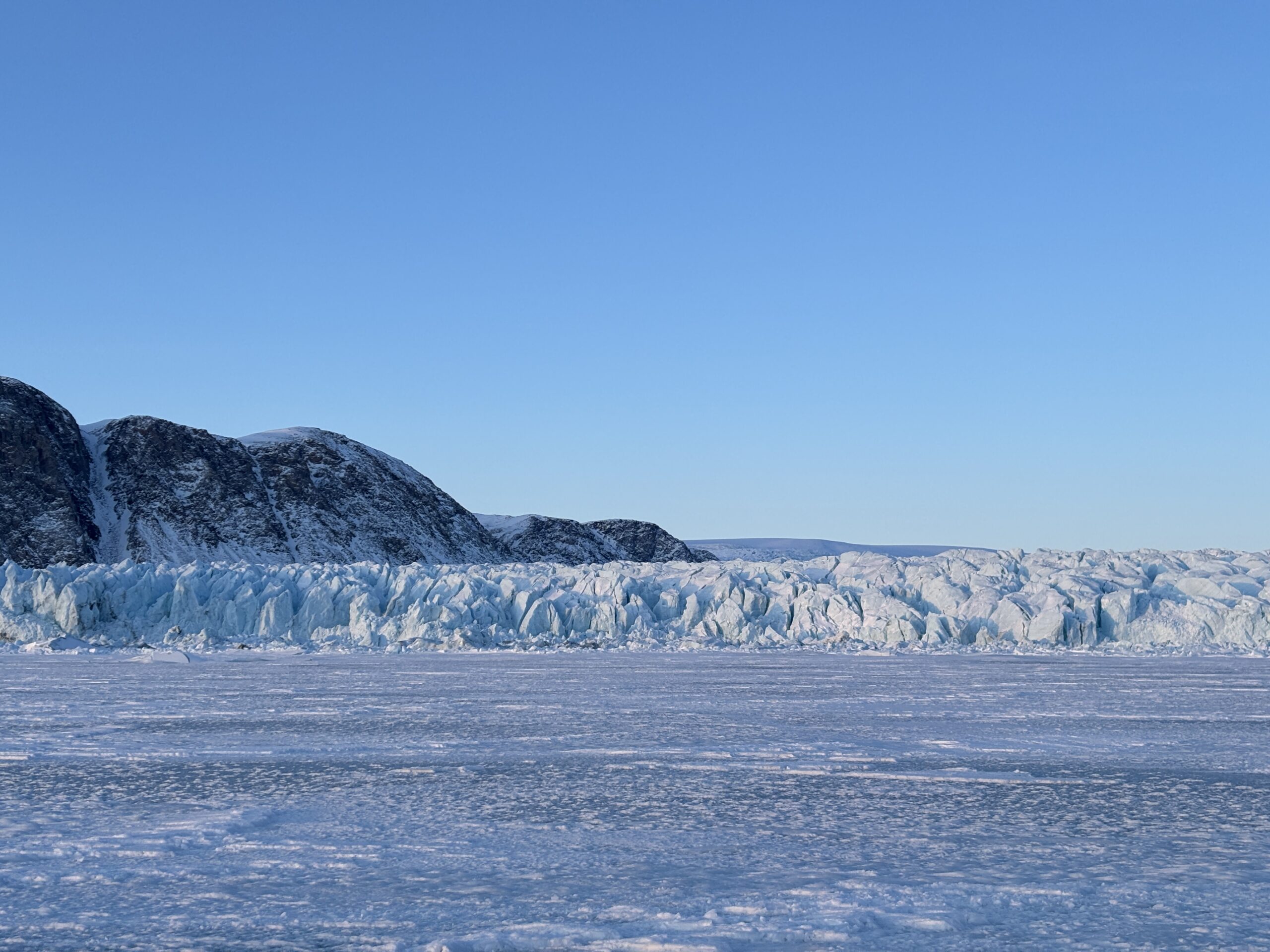
My favorite moment so far was my first time driving up to Rasmussen Glacier. Until that day, I’d only ever seen one (mountain) glacier up close, and that was before I started doing research involving them. Every single day for the past several years, I have thought about glaciers and/or the ocean surrounding them and their dynamics. I’d seen countless photos, diagrams, maps, plots, and calculations, and yet during the first approach it still somehow looked nothing like I imagined, and I was struck by how much power seemed to radiate from the tall, jagged wall of ice.


We have 3 weeks left now, and there is still much to look forward to. Our next stop is Moltke Glacier, which is the largest of the three and full of melange in front, which should be incredibly beautiful and scientifically interesting. Stay frosty! (I’m not having any trouble with that)